Eco-Friendly Island Stays: How to Compare Green Hotels, Guesthouses and Campsites
Islands are sold on what they lack: no crowds, no traffic, no rush. That absence has a cost, and it lands hardest on the things we barely notice at home. On a small island, water may come from a desalination plant or a rain tank, electricity from a generator that hums all night, and fresh food from a ferry that sails twice a week. A green stay isn’t a leaf logo on a booking page. It’s whether the people running the place have thought hard about the island’s limits — and whether you’re willing to meet them halfway.
Before you compare a hotel with a guesthouse, work out what the island itself struggles with. That tells you which questions matter.
A dry, scrubby island in the Mediterranean or the Caribbean has a water problem first and an energy problem second. A remote Atlantic outpost with no grid connection has an energy problem above all. A densely populated island with limited landfill space has a waste problem. Somewhere that imports nearly everything has a sourcing problem.
The same property can be a model of good practice in one place and a poor choice in another. A heated outdoor pool is a modest luxury on a wet island with abundant hydro power. On a dry island running on diesel, it may be the single most expensive thing the place does all year.
Solar panels on the roof are a good sign, but they only tell you so much. A small array might run the garden lights and little else. What you want to know is whether it covers the heavy loads: hot water, laundry, kitchen, air conditioning.
Off-grid places deserve credit for existing at all, but they often rely on a diesel generator for the evenings. Ask what time it goes off. A property that switches the generator off at eleven and hands out torches is making a deliberate choice; one that runs it around the clock for a pool pump is not.
Desalination takes energy. Rain tanks run dry. Wells on small islands are easily over-pumped, and saltwater creeps in when they are. This is why water is often the best measure of a genuinely thoughtful property.
Look for low-flow showers and taps, dual-flush toilets, greywater used on the garden, drought-tolerant planting, and a clear policy on laundry. A place that changes towels and sheets daily, without asking, is telling you something. So is one that offers a refillable water station instead of a fridge full of plastic bottles — and, on an island where tap water isn’t drinkable, provides filtered water rather than leaving you to buy it.
Your own habits matter here too. Shorter showers, towels hung up, taps off while brushing. On an island with a fragile supply, that isn’t a token gesture.
On a mainland city, waste disappears. On an island it is landfilled, burned, or loaded onto a ship and sent somewhere else — all of which costs money and carbon. So ask where things go.
Good signs include refillable soap and shampoo dispensers rather than sachets, glass instead of single-use plastic, food waste composted or fed to animals, and clearly separated recycling. Campsites deserve particular attention: ask whether they sort waste, whether toilets are chemical or composting, and whether they have a rule about leaving no trace. Some of the most beautiful island pitches are also the easiest to ruin.
Breakfast is a surprisingly good indicator. Imported berries out of season, tiny butter portions flown in, and a buffet that bins food every night tell a different story from a table of island fruit, local eggs, bread from the village bakery and fish landed that morning.
Local sourcing keeps money on the island and cuts freight, but be realistic: small islands cannot grow everything, and a menu claiming to be entirely local may not be telling the truth. A better measure is whether the kitchen names its suppliers — the farm, the boat, the neighbour with the goats — and whether the menu shifts with the season. If you want to support island businesses further, eat and drink away from the hotel a few times, and buy from village shops rather than only the resort.
Hotels. Scale cuts both ways. A large property can afford solar arrays, proper water treatment and a real waste contract. It can also run buffets that waste food nightly, a laundry that changes hundreds of towels a day, and a pool kept warm year round. Ask about the buffet, the laundry policy and the pool.
Guesthouses and small B&Bs. The owner usually lives on site, so decisions are made quickly and waste gets noticed. Fewer pools, less laundry, more home cooking, and a genuine chance to ask where the fish came from. The trade-off is that there is rarely a formal report, so you are relying on a conversation — and on reading between the lines of the answers.
Campsites. Usually the lowest energy use per guest, especially tent pitches. Watch for generators running all day, unlimited hot showers in a place with no water supply of its own, chemical toilets, and bins with no separation. Check local rules as well: wild camping is restricted or banned on many islands, and pitching illegally damages the ground you came to see.
Send these in one short email. The speed and specificity of the reply tells you plenty, and a small family guesthouse may simply never have been asked before. Vague answers aren’t automatically bad; refusing to engage is a clearer signal.
Certifications help, but they vary widely in what they actually cover, and a badge says little about the specific island you’re visiting. Treat them as a starting point and ask for detail. Book direct where you can — you’ll get straighter answers, and more of the money stays with the people doing the work. Take a refillable bottle, decline the daily towel change, and spend a little in the village.
None of this requires a hair shirt. It requires noticing that the ferry, the rain tank and the generator are all part of your holiday, whether or not they appear in the photographs.
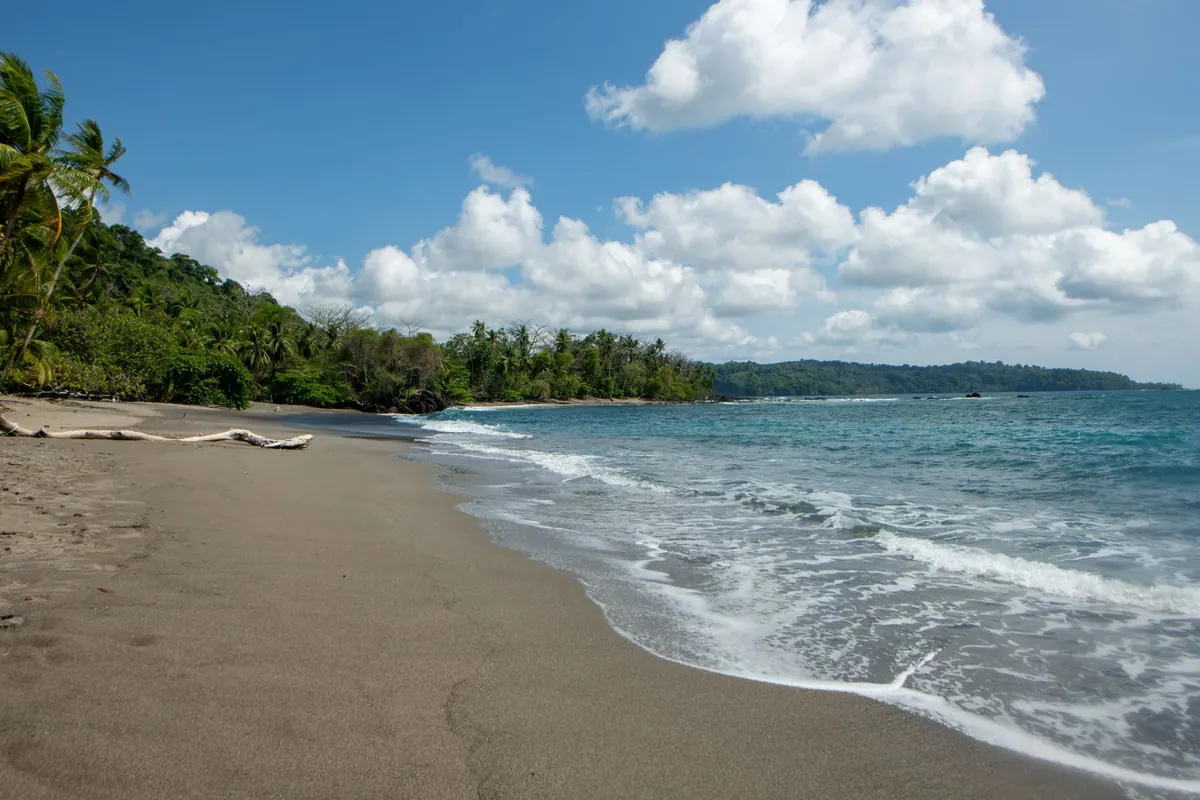
Photo: Enrique Hidalgo / Pexels
Previous Post
Island Festivals Worth Planning a Trip Around: A Seasonal Calendar
Next Post
Island Life as a Remote Worker: Practical Tips for Long Stays